2000 Excelsior Henderson Super X Chassis 1525
Proof That the General Public Doesn't Want Good American Motorcycles, They Want Harleys
Cifu
Motorsports Home / Motorcycles / 2000 Excelsior Henderson Super X
In The Beginning, There Was A Man And A Dream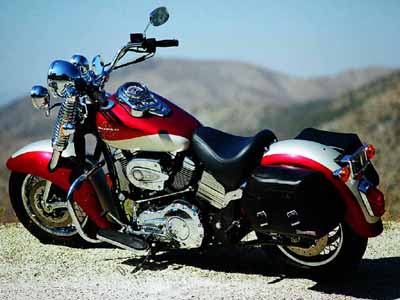
It's 1993. Dan Hanlon had just sold another company he had started, and is looking for new opportunities after just buying a new Harley Davidson. So, after much research and entrepreneur’s instinct he started a new motorcycle company to pursue his lifelong passion of bringing a new motorcycle to the market that had a rich heritage in it’s rear view mirror—the Excelsior-Henderson motorcycle company. To help out some of his sibling brothers that were unemployed, he later asked them to join his efforts. I can imagine them all probably enjoying a few beers at a family gathering and Dan tells them "Hey,join me in resurrecting some old American name nobody remembers and we'll go after Harley's growing market and get rich! YAAAHHH DUDE!!!"
Alright, maybe that wasn't exactly what happened but, it probably isn't far from the truth. Dan Hanlon, along with his brothers were long time motorcyclists or ummm...'bikers' but not in the strictest sense of the term. The Hanlons aren't ordinary guys. Dan already has a strong background in product development and manufacturing business and had come up with a seemingly half-baked scheme: to resurrect the name of the second most recent American motorcycle brand to exist (the most recent being Indian, which was already tied up in court battles over the trademark). The resurrected brand would be Excelsior Henderson, last in business under the guidance of Ignatz Schwinn (of bicycle fame) back in the 1930's. The new company would style it in the 1930's/1940s image that has been so popular for Harley Davidson and countless clone manufacturers. The Super X was Excelsior Henderson's last production model and it had numerous key design features that provided styling cues as obvious as the deep valanced fenders being equated with Indian. Most notable was the wide front fender with the springer style front fork piercing the sheetmetal in four places. In addition, the original featured a large, wide fuel tank with an asymmetrical instrument cluster and a chain guard with a characteristic dome stamped into the sheetmetal.
Now that Dan had found a machine to resurrect, all they had to do was get the licensing rights to the name, raise a hundred million or so of capital, design and build it (including the engine--no S&S engine here), then find a place to build them, set up the assembly line, hire employees....you get the picture. Unlike Polaris and the Victory brand, there was no infrastructure in place to take on this project. There was no parent company that could float it for a few years until it got its legs. This was a double or nothing bet right from the start. Stacked against the company was the fact that most had forgotten the Excelsior Henderson name. At least Indian is remembered for the Chief but brand recognition can be everything in the market. I'm sure that most who heard the idea wrote them off as hopeless dreamers. Almost unbelievably, they actually pulled it off. Okay, they were a few years late getting it to market. The original target release was 1997 and it slipped out to 1999. Nonetheless, they did it. Bravo!
The Press Crucifies Excelsior Henderson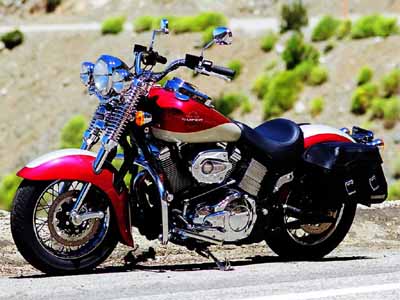
The press was really unfair to both Excelsior Henderson and the Hanlon family. Rumors circulated, most likely started by competitiors to fuel misinformation, which is not unusual in the motorsports industry. I'm sure their families sacrificed for the long hours necessary to pull this off. They may have been living well from the outside but it's easy to criticize from the sidelines. This was a first rate motorcycle and that doesn't happen overnight and it doesn't happen by accident.
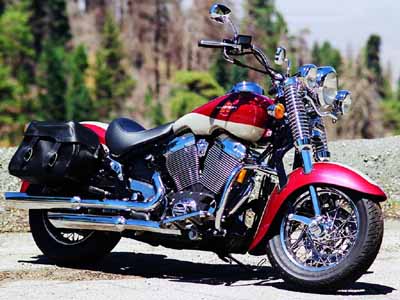
It was designed from the ground up as a new machine. It was not powered by some S&S or other Harley clone (like the resurrected Indian of the time). The new Excelsior Henderson was to feature a Weslake developed V twin engine of their own design. It was a double overhead cam, four valve design that was not based on anybody else's motorcycle. Since Allan Hurd (of Triumph resurrection fame) was involved in the development, Sagem fuel injection was chosen (same supplier as Triumph). Behr of Germany supplied the wheels (BMW's wheel builder). Nissin master cylinders provided braking force (same as most Japanese bikes). The switches, controls and other parts were production worthy items that could be found on various other Japanese and European bikes. The frame featured honest castings and forgings at the tube junctions, not handmade flat-plate junctions. This was no low-production kit bike. It was a true, world-class motorcycle right from the start.
After getting a closeup view of an original Super X at the Guggenheim Museum Museum, Art of the Motorcycle exhibit in Las Vegas, I can attest that the lineage was preserved beautifully. The same instrument cluster shape, the front fender, the chain guard, the general shape of the engine, and the proportions all preserved in the new design. In fact, the stylists took the styling cues from the original and refined them to be even more appealing. This was not just a new bike with an old name slapped onto it, nor was it a clone of anything else. The new Super X was truly a tribute to the original machine that gave its name.
Unfortunately, doing such a thorough job from 'production unit number one' costs in the form of buried capital—capital in the form of cutting-edge cnc frame welders, static free, sealed robotic paint cells with high temp ovens to cure the finished parts and more. Without cash-flow, a business can't survive. They can't make payroll, they can't pay suppliers, they can't advertise.. Even after a second cash infusion, things were running very lean. I don't remember EVER seeing a print ad for the Excelsior Henderson. Production began in late 1998. In July 1999, production of the 2000 model machines began. By the time production machines started coming off the line, the money had been spent and none was left for advertising. Because they had also seemingly snubbed the press early on, simply because the company did not have the money to give free motorcycles to the industry journalists to ride, the journalists were not so kind (and remain so to this day).
By December 1999, the cash had run out. Aproximately 2000 (total) motorcycles travelled down the line before the company was forced to shut down the operation. Unfinished machines sat on the line while friends and family were laid off just before Christmas. To this day, some in the industry press criticize the Hanlon family for how the company was run. From the cheap-seats, people have suggested that they should have started off slowly--as Indian had. By Indian's failure in 2004 that the 'start slowly' formula doesn't work either. Ironically, Indian went through over double the amount of cash yet you won't hear them criticized, even though they left behind a much simpler assembly line and did not truly build a production motorcycle. The sad truth here is that no matter how well built a machine is, the 'typical' Harley buyer does not want a motorcycle--American or otherwise--they want a Harley. Most Harley buyers can't articulate WHY they want a Harley but they would not consider any other brand.
Buying an Excelsior Henderson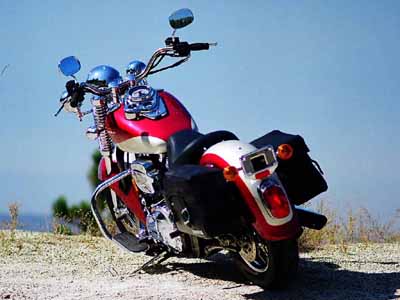
It's now July, 2000 and I'm wandering down the row of bikes parked on Cannery Row in Monterey. I am there for Laguna Seca, World Superbike weekend. Walking down the street, I stumble onto a 1975 Norton Commando Mk III 850 Roadster, exactly the same as my first street bike. Obviously, my memories had become clouded looking back through 18 years of healing. I always regretted selling that Norton and I really wanted to replace it. Being the final year of US import, it had electric start and conventional controls (read: right hand brake, left hand shift). I sat down on the curb next to the bike. As I looked it over, memories began to merge. Vague, romanticized visions gave way to the true memories of owning that bike. Looking over the rough castings I remembered having helicoils pull out of once-repaired holes. The weeping tach drive reminded me of the constant and seemingly unrepairable oil leaks. The oil lines running to the right side oil tank reminded me of the time mine cracked open and dumped its contents onto the rear wheel. No, a few minutes on the curb cured me of my lust for an old Norton, but I still had an unfulfilled need for a classic, rare, unusual, 'weird' bike just to have. One bike for that New Year's Eve ride to Newcomb's Ranch, one special bike to take to the Long Beach Motorcycle Show each year, but what?
Literally, around the next corner, I found it: the resurrected Excelsior Henderson. Up to that point, I had never seen one in person. The bike I spotted was an all blue, 2000 model. It was gorgeous—much prettier than the photos imply. This is a bike you have to see in person to appreciate—it does not photograph well. The hardest thing to capture is the front fork. In most side photos, the fork looks too upright—almost vertical. In real life, the machine takes on whole new proportions. The chrome is clear and deep. The paint has a wet shine to it that other bikes can't match. Parked next to a stock Harley, it's no contest. As David Edwards put it in Cycle Magazine:
"The new Excelsior Henderson makes
the Harley Heritage Springer look like something a drunken shriner
wouldn't be caught dead on."
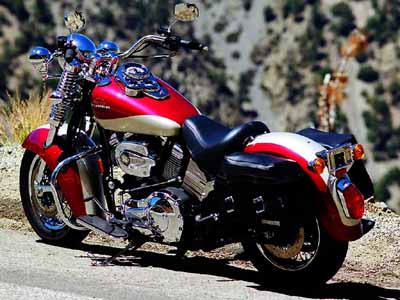 The fit and finish of this machine is unmatched. It is truly sad that we had to see this machine pass into history. After a few minutes of looking at the Excelsior, I declared to my buddies that I would soon have a Super X in my garage.
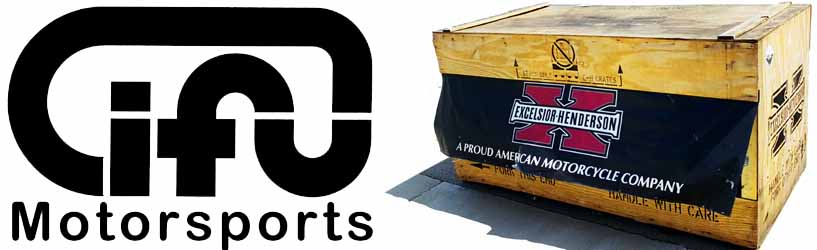
Once I returned home, the search began. Unfortunately, the factory was in the middle of bankruptcy reorganization and the hearing was to be on August 12th. This made purchasing a guessing game. Dealers were starting to panic and giving blow-out prices, others were keeping a poker face, hoping the hearing would pan out and the company wouldn't sink. Taking advantage of this, I drove to the various dealers and gathered my options. I finally settled on the Sunburnt Red / Oyster 2000 model you see here. This was a machine that I wanted from 'Womb to Tomb'. The decision was to literally buy it in the crate, prep it myself and maintain it myself. This is a bike I will never sell. I bought it with all of the factory offered accessories. The photos are here to share. I wanted to keep the ends of the crate but unfortunately the dealer I bought it from had stored it outside. The crate was water damaged so the logo'd end panels fell apart during the uncrating process. Nonetheless, no wrench other than my own has touched her since she left the factory in Belle Plaine Minnesota.
Now I will admit that cruisers are not my thing but when the occasion arises, this is one sweet motorcycle. The chassis is rock stable and it will write checks that the floorboards won't let you cash. It has plenty of power (for a V twin cruiser). The best part of this bike is all the blank stares it gets from the Harley crowd. I'd say that 99% of them don't even know what it is. It's always fun watching them ask if it's the new Yamaha or wondering who makes Excelsior Henderson. I have only ever seen two other Super X's on the road. While 1 of 2000 bikes doesn't make it all that rare, it is an unusual and beautiful motorcycle.
If you are one of the lucky owners who has not yet discovered it, about 30% of the owners have been accounted for and are active or semi-active over at Yahoo Groups. There have been a number of splinter groups formed over the years but Dan Hanlon has returned and established a permanent home for the Excelsior Henderson community and has begun manufacturing replacement OEM parts (link below). Between the Yahoo groups archives and the new and growing forum at Excelsior Henderson's website, almost any problem can be solved. Just about any question can be answered or has already been answered. Ironically, parts are actually be easier to get today than the year or two after the factory shutdown. A number of specialty people have jumped into the fray and the early production problems have been worked out. The Excelsior Henderson homepage includes a moderated forum, technical resources, links to other companies that support the motorcycles and even an owner registry. A number of incomplete registries were started over the years but, the one at Excelsior Henderson is the only official one.
Cifu
Motorsports Home / Motorcycles / 2000 Excelsior Henderson Super X
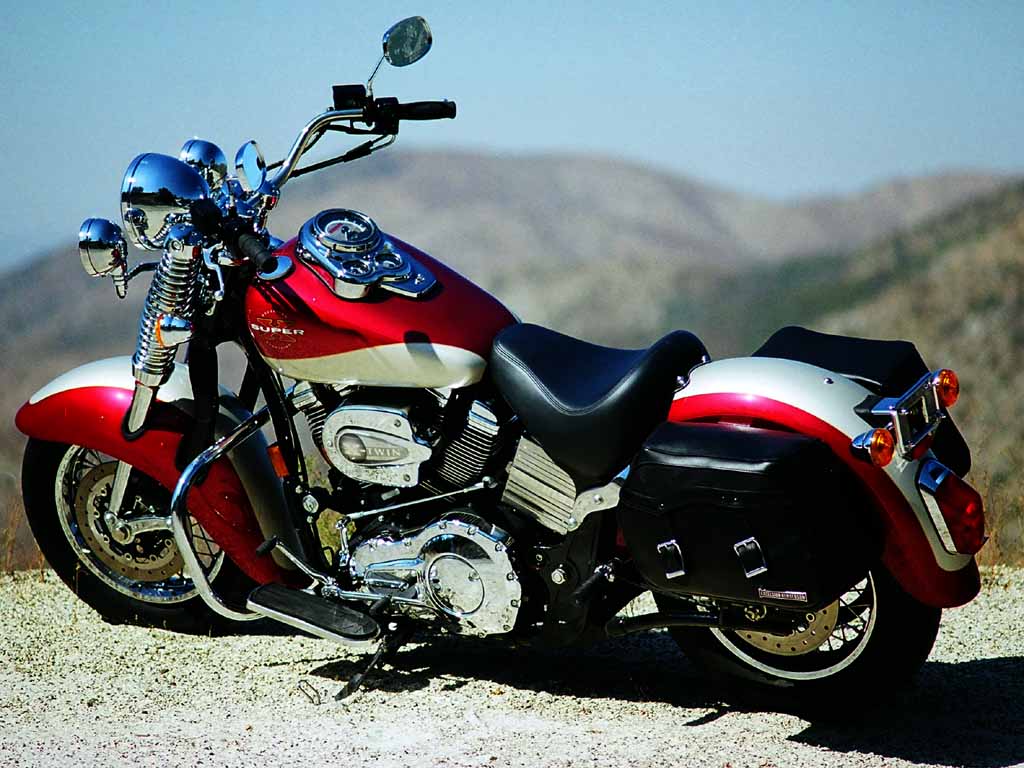
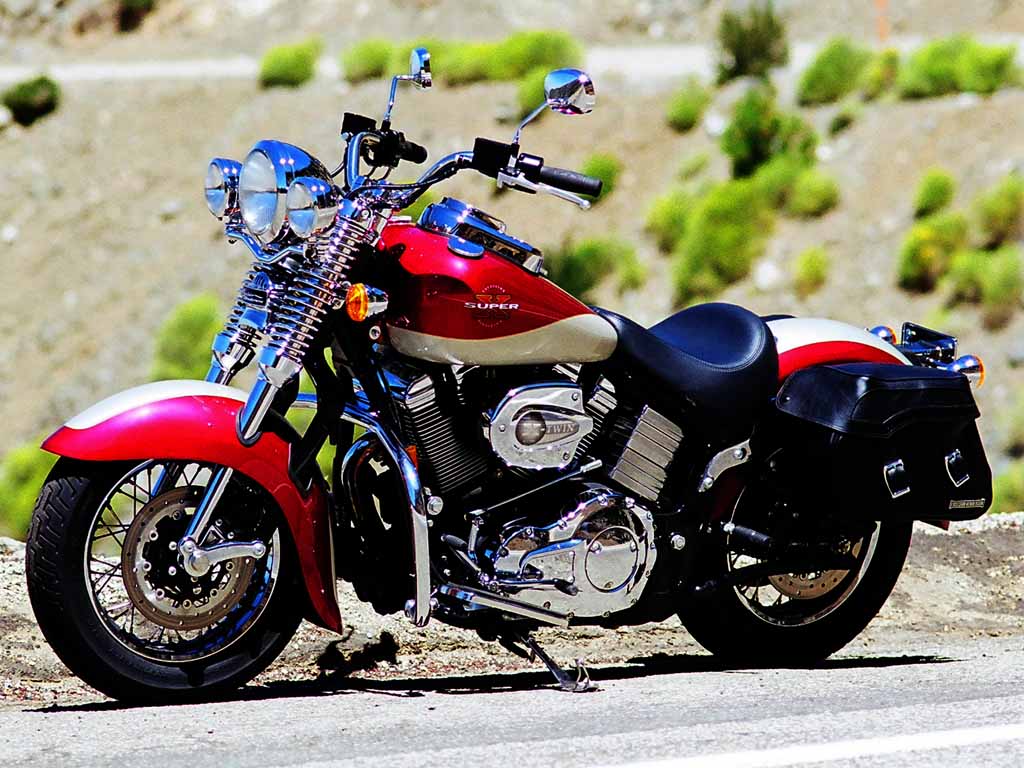
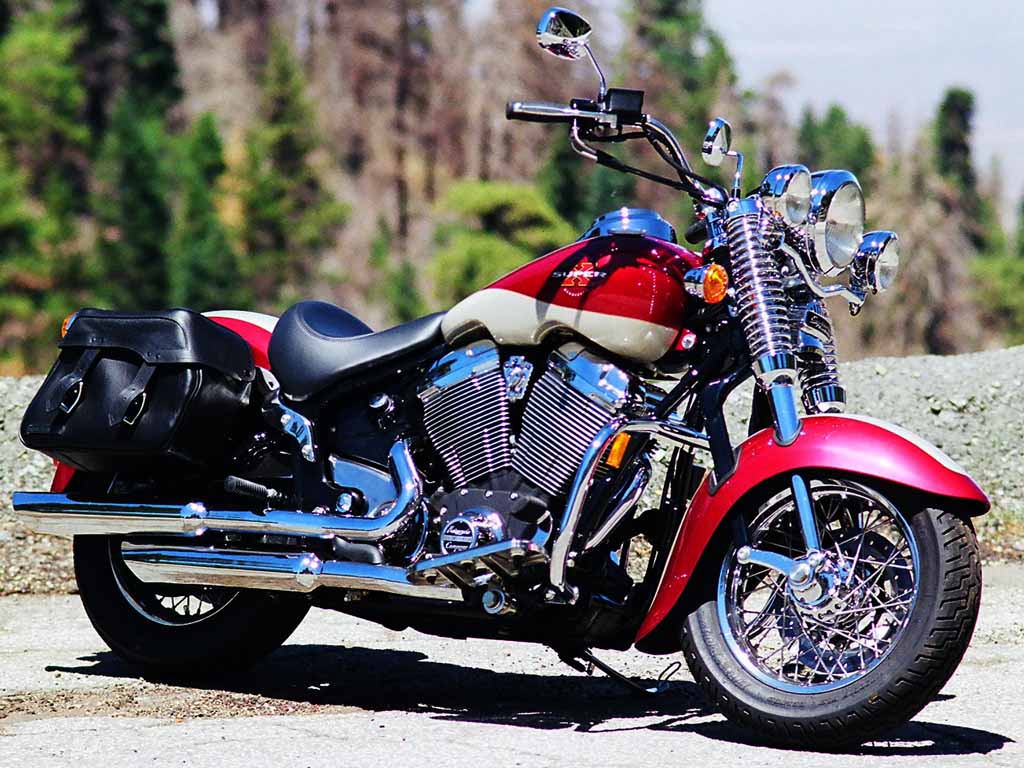
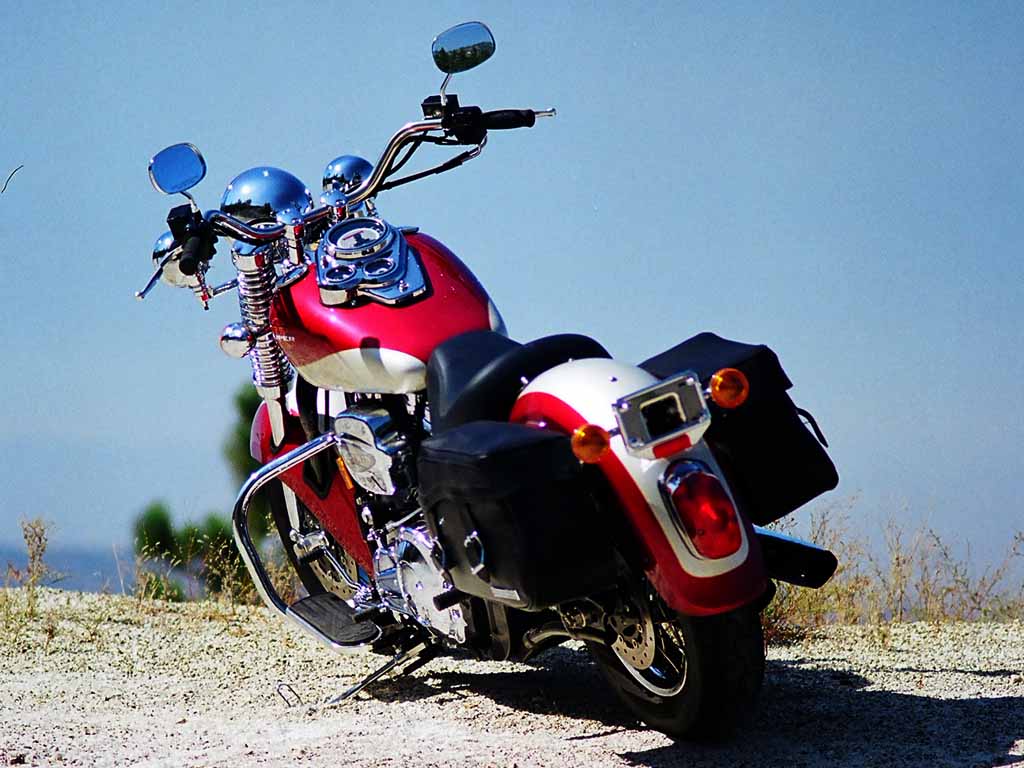
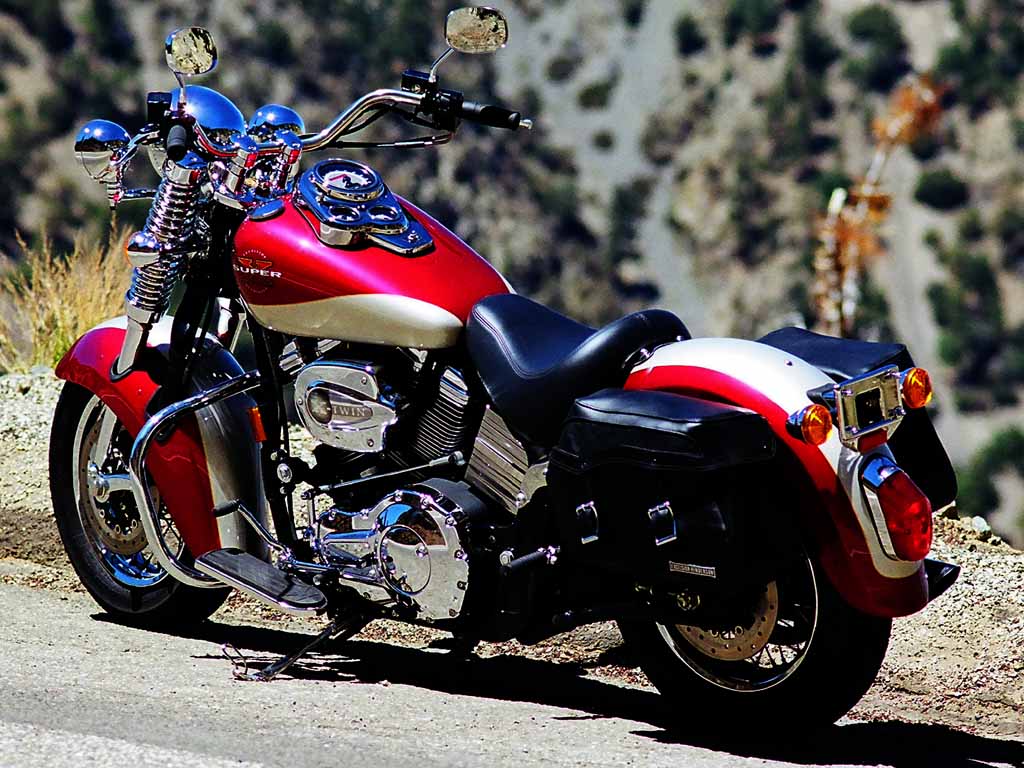 The fit and finish of this machine is unmatched. It is truly sad that we had to see this machine pass into history. After a few minutes of looking at the Excelsior, I declared to my buddies that I would soon have a Super X in my garage.